Mar 13,2025
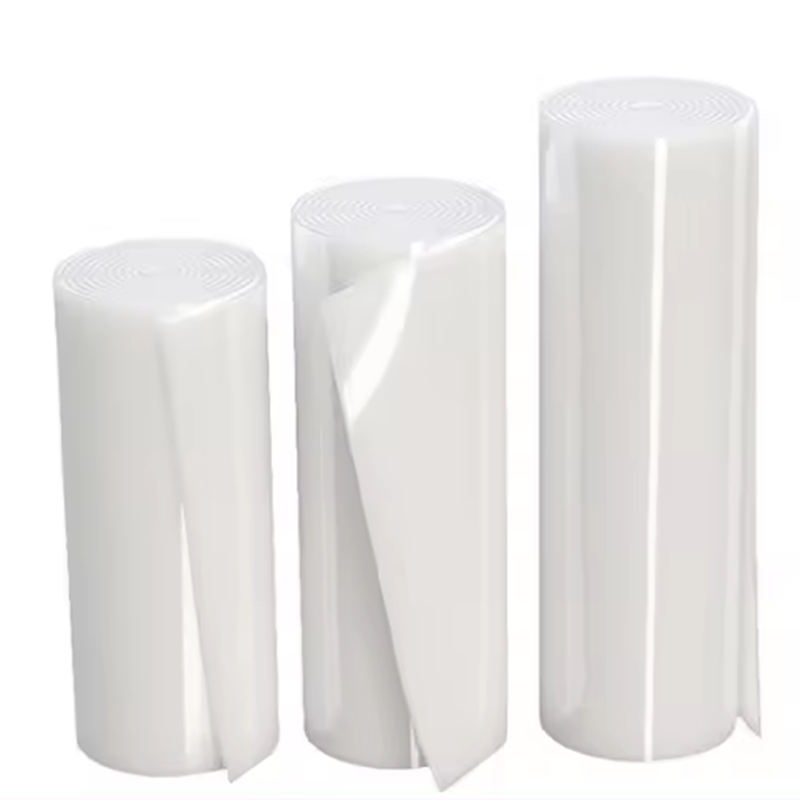
Silicone rubber foam stands out as a flexible material known for stretching without breaking, lasting through wear and tear, and bouncing back even when exposed to big temperature swings. Made mostly from silicone, this stuff keeps working properly whether it's freezing cold or blazing hot outside, which explains why so many people turn to it for insulation needs. We see this material all over the place actually - automotive manufacturers rely on it for engine compartments, while aerospace engineers put it to work in spacecraft components where temperature extremes are routine. What makes silicone rubber foam really special though? Its ability to handle both heat retention and shock absorption at the same time. That combination has made it pretty much essential for things like sealing joints in industrial equipment or protecting delicate electronics from vibration damage during transport.
Silicone rubber foam gets made by mixing silica with organic stuff, creating something that really holds up against heat and chemicals. What makes this material special is how it handles all sorts of environmental challenges plus wear and tear over time. Because of these qualities, many industries rely on silicone rubber foam when they need reliable performance. Beyond just being durable, it also provides good insulation while maintaining other useful characteristics from its unique makeup. We see this material everywhere actually - in gaskets around machinery, as padding between parts, even in those thick rubber sheets used during assembly processes. Pretty much any place where flexibility meets demanding conditions becomes another spot where silicone rubber finds a home.
Silicone rubber foam stands out as a go to option for thermal insulation because it doesn't conduct heat very well, so less heat moves through it. Many industries including HVAC systems rely on this material to make buildings more energy efficient. What makes it work so well? Well, it stops heat from escaping buildings, which means we don't waste as much energy keeping spaces warm or cool. Research shows when builders include silicone rubber foam in their insulation plans, they often see around 30% less energy usage. That kind of saving makes sense for anyone looking at long term costs while still wanting environmentally friendly solutions in today's construction projects.
Silicone rubber foam works really well at soaking up sounds, which makes it popular for soundproofing in homes and businesses alike. The material grabs onto those annoying sound waves instead of letting them bounce around, creating much quieter spaces overall. What's interesting too is how good it is at damping vibrations. This comes in handy when dealing with machines or cars where unwanted shaking can be a problem. When we cut down on both noise levels and vibrations through the use of silicone rubber foam, people tend to find their surroundings more comfortable while equipment actually runs better without all that extra stress on moving parts.
What makes silicone rubber foam so great for sealing and gasketing? Well, its compressibility plays a big role here. When compressed, it creates really tight seals that stop air and fluid leaks in all sorts of machines and appliances around us. We see this stuff working hard in places like cars, boats, even airplanes where keeping pressure levels stable matters a lot. The material adapts pretty well to uneven surfaces too, which means better seals overall. Equipment lasts longer when properly sealed, and performance stays consistent without unexpected failures down the line.
Silicone rubber foam stands out because it can handle really extreme temperatures, surviving anywhere between minus 60 degrees Celsius all the way up to 260 degrees Celsius. That's why engineers often turn to this material when working on projects exposed to harsh heat or cold environments where standard alternatives would fail. The American Society for Testing and Materials has actually documented how this type of foam keeps its shape and works properly even when subjected to intense heat, which means it performs reliably in situations most materials simply cannot cope with.
Silicone rubber foam stands out because it lasts really long time and keeps working well even when put through tough conditions. The fact that it doesn't wear out quickly means companies don't have to replace it so often, which saves them money in the long run. Some real world tests show these foam products can last more than twenty years before showing any real signs of breaking down. That makes them pretty reliable choice for insulation needs where materials need to hold up against heat, cold, moisture and other harsh factors without failing.
Silicone rubber foam stands out because of how well it handles tough environmental conditions. Unlike most materials on the market today, this stuff really holds up against things like UV radiation, ozone exposure, and moisture that typically break down other products over time. That's why so many manufacturers turn to it when they need something reliable for outdoor equipment or marine environments where weather takes its toll. Testing across different industries shows these foams stay put and work properly even after months of being beaten by sun, rain, saltwater spray, and all sorts of atmospheric pollutants. For anyone dealing with products that spend time outside, knowing their material won't just sit there looking pretty but actually performs consistently makes all the difference in product longevity and customer satisfaction.
Silicone rubber gaskets come from quality silicone materials known for great sealing properties. These parts can handle extreme temperatures and resist chemicals pretty well, which is why they show up all over industry settings. Manufacturers design them to work across many different applications like cars, planes, and heavy machinery shops. What makes these gaskets stand out is how they keep performing even when exposed to tough conditions. They provide good insulation too, so workers don't have to worry about leaks or failures in critical systems where reliability matters most.
Silicone rubber gaskets have become pretty popular across many industrial sectors because of their special characteristics. These materials can handle both very hot and very cold conditions without breaking down, which makes them great for sealing in harsh environments. What's really useful is how flexible they are during installation. Workers find it much easier to get a good seal without worrying about cracks or gaps forming later on. The combination of temperature resistance and flexibility means these gaskets last longer than most alternatives. Factories save money over time since there's less need for replacements and repairs. From food processing plants to automotive manufacturing facilities, companies continue choosing silicone rubber when reliability matters most.
Silicone rubber gaskets are pretty important for cars because they help keep systems airtight and cut down on annoying noises inside vehicles, which ultimately improves both fuel efficiency and passenger comfort. When it comes to food processing plants, these same gaskets work hard to prevent cross contamination between products during manufacturing. They form tight seals even when exposed to extreme temperatures or harsh cleaning chemicals commonly used in commercial kitchens. From engine compartments to dairy processing lines, their durability under tough conditions explains why manufacturers continue relying on them despite newer materials entering the market. Some factories report up to 30% fewer maintenance issues after switching to quality silicone seals compared to traditional alternatives.
The latest developments in silicone rubber foam tech mostly aim at better heat management properties and greener alternatives. Construction companies have been pushing harder for eco-friendly materials lately as regulations get stricter. A big breakthrough comes from adding nano stuff to the mix, something that boosts how well these foams conduct heat and stand up to stress tests. What makes this interesting is that manufacturers can now offer insulation solutions that work just as good while leaving a smaller carbon footprint. Builders looking for durable yet environmentally responsible options find themselves gravitating toward these newer formulations despite their slightly higher price tags.
More companies are getting serious about going green, which means they're now looking at ways to make their silicone rubber foam products better for the planet without sacrificing quality. The new formulas being developed actually cut down on waste and harmful emissions during production processes. According to recent market analysis, we've seen a real uptick in manufacturers switching to greener methods that meet those strict international eco standards. What's interesting is how this move toward sustainability isn't just good for the environment it also keeps businesses out of trouble with all those complicated regulatory requirements around the world. As a result, many industries that care deeply about their environmental impact have started turning to these improved silicone rubber foams as their material of choice.
 EN
EN