Mar 06,2025
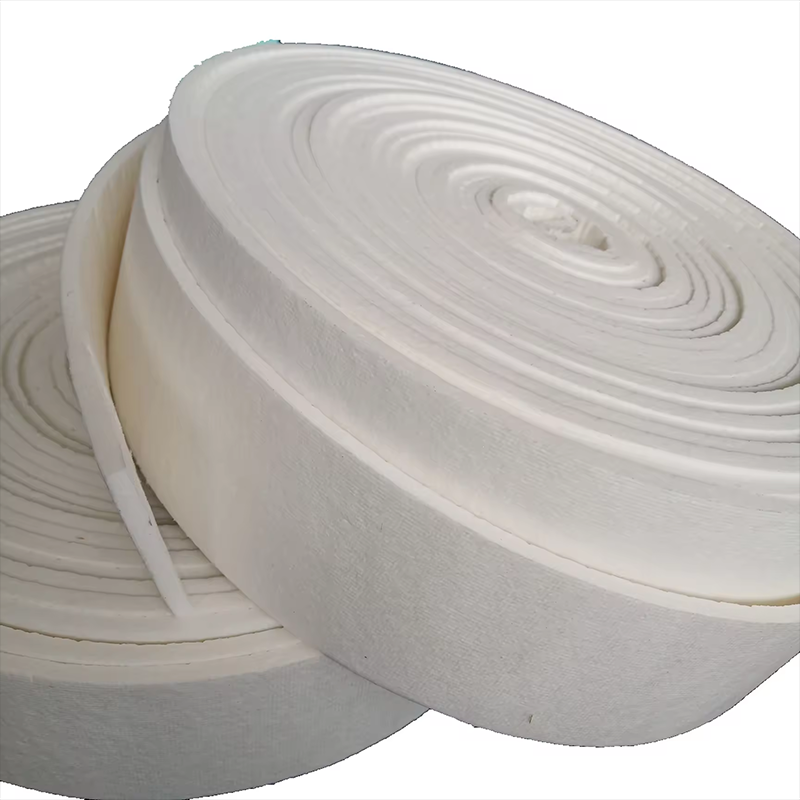
Ceramic fiber cotton serves as an insulating material made mostly from aluminum silicate, prized because it's light weight yet still maintains those fibrous characteristics. What makes this stuff stand out? Well, it insulates heat really well while remaining flexible enough to handle without breaking, which explains why manufacturers rely on it when they need something that can withstand extreme temperatures. People sometimes call it cotton-like due to how soft it feels despite being so effective at blocking heat transfer. Plus, it handles sudden temperature changes better than many alternatives, which is why we find it all over different types of ceramic fiber products used in industrial settings where heat management matters most.
Ceramic fiber cotton is basically made from a mix of alumina and silica. Most products contain between 40% and 55% alumina, while the remaining portion consists of around 47% to 60% silica. What makes this material so special is its ability to handle really high heat without breaking down. We're talking about temperatures anywhere from 1260 degrees Celsius all the way up to 1430 degrees. Because of these properties, many industrial sectors rely on ceramic fiber cotton when they need reliable insulation against intense heat exposure. Foundries, kiln manufacturers, and even some aerospace applications regularly specify this type of material for their thermal protection needs.
Ceramic fiber cotton stands out because it can handle really high temperatures, going all the way up to 1260 degrees Celsius or around 2300 Fahrenheit. That makes it super important in places like airplane manufacturing and metalworking shops where controlling heat is basically everything. Think about what happens in those environments day after day. They're dealing with intense heat constantly, so they need stuff that won't fall apart when things get hot. Ceramic fiber cotton holds up under this kind of stress, which is why so many companies turn to it when they face tough thermal management problems on their production lines.
Ceramic fiber cotton really shines when we look at how little heat it conducts. At around 0.11 W/m·K when temperatures hit 1000°C, this material keeps things cool where it matters most. What makes this property so valuable? Well, it helps cut down on wasted heat across different industrial settings, which ultimately means better overall energy efficiency. Industries dealing with extreme heat conditions find ceramic fiber cotton particularly useful because they need materials that won't let all their precious warmth escape. For manufacturers trying to save money on energy bills without compromising performance in high temperature environments, this insulation material offers both protection and cost savings over time.
Ceramic fiber cotton can handle pretty impressive thermal shocks, which means it doesn't crack or break down even when temperatures swing wildly back and forth. This makes all the difference in places like steel mills or foundries where equipment gets heated up and cooled down constantly throughout the day. When materials can actually survive those kinds of temperature swings, they last longer and work better over time. That translates into fewer breakdowns and less need for repairs in environments where things get really hot then suddenly cool off again. For plant managers dealing with such conditions, this kind of durability saves both money and headaches in the long run.
Ceramic fiber cotton really helps improve energy efficiency because it stops so much heat from escaping in those super hot environments. The insulation qualities are pretty amazing actually, which makes all the difference for big factories running around the clock. When companies manage their energy better through good insulation materials like this stuff, they end up saving money on their bills. Some studies suggest savings between 20 to 30 percent when using proper insulation solutions. That happens because less energy goes toward keeping things at the right temperature, so operations run smoother overall. Plus, cutting down on wasted energy means these facilities become greener over time without sacrificing production quality.
Ceramic fiber cotton stands out because of its remarkable durability when used in tough environments over long periods. What makes this material special is how well it resists both physical wear and breakdown from heat exposure. Unlike many alternatives, ceramic fiber maintains its properties even after months or years of service without needing constant repairs or complete replacement. For manufacturers dealing with high temperature applications, this means significantly reduced downtime and expenses related to maintenance work. The construction sector especially benefits from these characteristics since machinery can operate continuously without unexpected failures. In real world settings like steel mills or chemical plants where temperatures fluctuate dramatically, ceramic fiber insulation keeps systems running smoothly day after day.
Ceramic fiber cotton really stands out when it comes to safety in those super hot environments because it won't catch fire. The fact that it doesn't burn cuts down on fire dangers, which is why so many factories dealing with intense heat rely on this stuff. Plus, it meets all sorts of tough safety regulations, which gives manufacturers peace of mind about using it around dangerous conditions. What makes ceramic fiber cotton special is how well it protects both machines and workers from potential fires. Industrial kitchens, metalworking shops, and other places where sparks fly regularly find this insulation invaluable for keeping operations running smoothly while protecting everyone onsite.
Ceramic fiber cotton serves as a common lining material inside industrial furnaces and kilns where heat management matters most. What makes this material stand out is its combination of low density along with impressive thermal resistance properties. When installed, it actually cuts down on the total weight of the furnace while boosting how well it handles heat. The fact that it's so light makes installation much simpler for maintenance crews. Plus, companies save money over time because their equipment runs more efficiently and cools down quicker after shutdowns. For manufacturers working with extreme temperatures day in and day out, especially those in metal processing or glass manufacturing sectors, ceramic fiber cotton has become practically indispensable due to these advantages.
Ceramic fiber cotton has become pretty important stuff in power plants where they need good insulation for things like turbines and boilers. When this material gets used properly, it actually makes a big difference in how well the whole system runs while keeping everyone safe around there too. What happens is that because ceramic fiber doesn't conduct heat so easily, less warmth escapes from equipment during operation. That means plants can save money on their bills since they're not losing as much energy through wasted heat. Plus, when temperatures stay within safe ranges inside those machines, operators don't have to worry about unexpected shutdowns or repairs caused by overheating components. For many facility managers looking at long term savings and reliability, investing in quality ceramic fiber insulation just makes sense for their bottom line and overall plant performance.
Ceramic fiber cotton plays a vital role in the petrochemical industry because it insulates reactors and pipelines so they can operate efficiently even when temperatures soar. Without proper insulation, heat would escape from these systems, which means higher energy costs and potentially unsafe working conditions. What makes ceramic fiber cotton stand out is how well it handles sudden temperature changes without cracking or breaking down. Plus, since it doesn't store much heat itself, operators don't have to worry about residual heat causing problems after shutdowns. These properties not only save money on energy bills but also mean equipment lasts longer before needing replacement, something plant managers appreciate during maintenance cycles.
Ceramic fiber cotton stands out as both practical and necessary when it comes to keeping things insulated and saving energy throughout many different sectors. The stuff comes in all sorts of shapes too blankets, boards, even pre-made modules that fit particular jobs better than others. What really sets these apart is how they work across so many situations where heat control matters. Take industrial furnaces for example, or power plants generating electricity, plus those tricky environments in petrochemical processing. Ceramic fiber cotton handles extreme temperatures without adding much weight at all, which explains why manufacturers keep coming back to it time after time despite having other options on the market.
Adding ceramic fiber cotton products to industrial processes offers better thermal management while keeping costs down and delivering solid insulation results. What makes these materials stand out is how adaptable they are for different needs across various applications. Manufacturers can shape and modify the products according to what works best for their particular setup, whether it's high temperature environments or spaces where space matters most. When companies go with ceramic fiber cotton, they're basically getting two things at once improved energy savings and something that will last through years of demanding conditions. Many plant managers have found this approach pays off over time as maintenance requirements drop and overall system performance stays consistent despite changing operating parameters.
 EN
EN