
Apr 21,2025
Silicone weatherproofing stuff holds up really well against tough temperatures, working reliably from as cold as -65 degrees Fahrenheit all the way up to 500 degrees. That makes them great choices for places where regular materials just can't cut it, think about desert heatwaves or frigid Arctic winds. What sets silicone apart is how stable it stays when things get hot or cold, so it keeps doing its job without breaking down over time. This means less frequent repairs and replacements which saves money in the long run. Field tests across different climates have shown silicone sealants consistently hold together better than older alternatives, staying intact through those crazy temperature swings that would normally wreck other products.
What makes silicone so useful is its flexibility, which lets it move with structures instead of fighting against them when temperatures change, buildings settle down over time, or earthquakes happen. Because it can bend and stretch rather than crack under pressure, silicone actually reduces the chances of those annoying leaks and fractures we all hate seeing. Most professionals working on construction sites will tell anyone who listens that they prefer silicone sealants for places where things tend to expand and contract because of heat changes throughout the day. The reason? Silicone just doesn't break down as quickly as other materials do when faced with constant movement and stress from environmental factors.
Silicone weatherproofing products really stand out when it comes to keeping moisture at bay, something that matters a lot for stopping mold from growing and keeping indoor air clean. When buildings stay dry thanks to this moisture resistance, they last longer and people can actually use them properly without worrying about water damage. The UV resistance of silicone is another big plus too. It doesn't break down or fade easily in sunlight, so these products work great outside where other materials might fail after just a few seasons. Studies have shown time and again that silicone sealants handle tough weather better than most alternatives on the market today. For contractors and property owners looking for something that will protect their investments over many years, silicone remains one of the best options available despite its higher initial cost compared to cheaper alternatives.
Foam sealing strips come in all sorts of shapes and sizes, designed specifically for whatever industrial problem needs solving. Manufacturers can get these things made exactly to their specs, which means they work pretty well across different sectors like manufacturing plants or commercial buildings. What makes them so useful is how they stop those pesky air leaks that waste tons of energy over time. We've seen real world results too – after installing custom foam seals in several facilities, companies reported around 25% better insulation performance compared to what they had before. That kind of boost saves money on utility bills while also cutting down on carbon emissions, which is why more factories are starting to take notice lately.
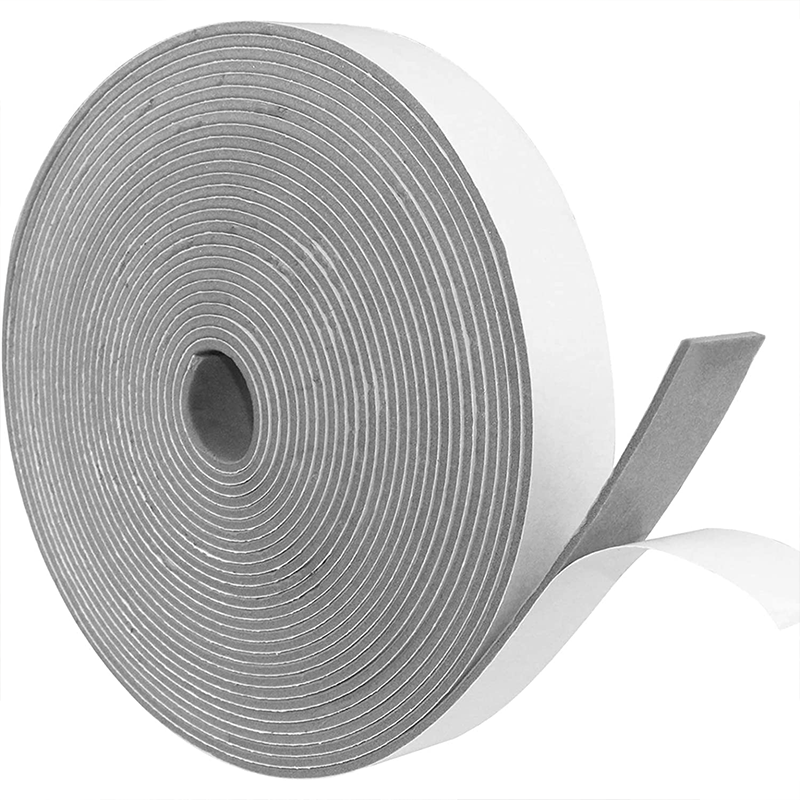
Foam sealing strips come in at a surprisingly light weight, which makes installation straightforward while still holding up structurally. Workers in warehouses and manufacturing plants especially appreciate how much easier it is to move these around during setup or maintenance work. What really sets them apart though is their ability to stand up against all sorts of harsh chemicals and solvents that would eat through other materials. Many people who have switched from traditional rubber seals report that these foam strips last way longer before showing signs of wear, even when exposed to aggressive cleaning agents daily. The combination of being so light yet tough enough for chemical exposure means most facilities find themselves replacing them far less often than they used to. Want to see what all the fuss is about? Check out our Foam Sealing Strip 1 section for full specs and customer feedback.
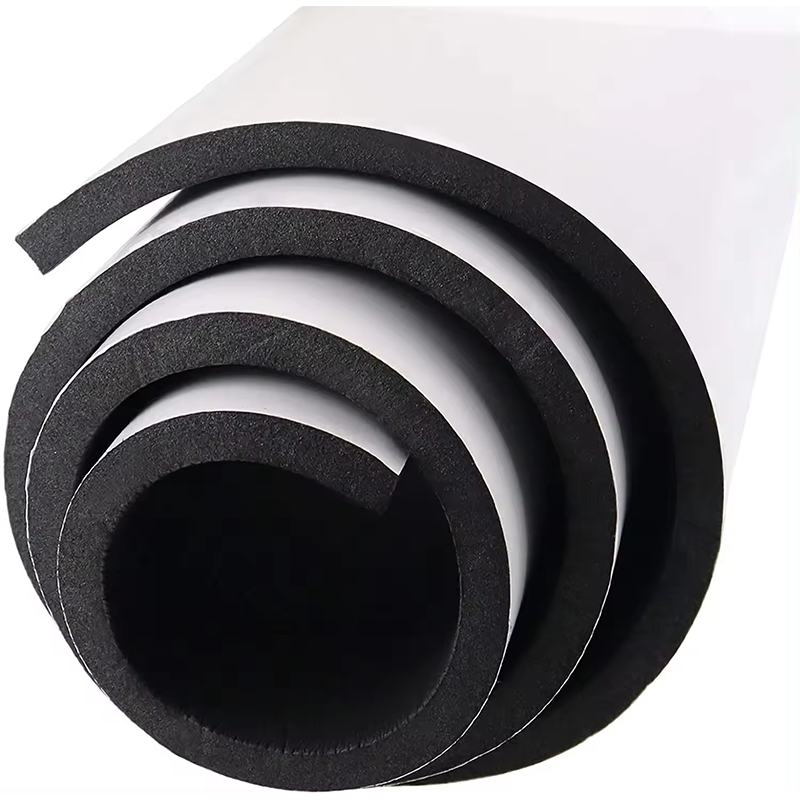
The versatility of silicone sealants means they're pretty much essential for both cars and HVAC systems these days. When applied to vehicles, silicone helps create weatherproof seals that stick to all sorts of materials, which ultimately makes cars last longer before needing repairs. Looking at HVAC systems, good sealing work really improves how efficiently they run, cutting down on those monthly utility bills. Numbers back this up too many studies show properly sealed HVAC units save between 10% and 30% on energy costs, so there's real money to be saved here. The fact that silicone works so well across both automotive applications and building climate control explains why manufacturers keep coming back to it time after time as a go-to material across several different industries.
Silicone sealants really stand out when it comes to keeping moisture at bay, which makes them great for protecting all sorts of household appliances. When we talk about things like fridges and dishwashers, the internal electronics are constantly at risk of getting damaged by water. Silicone helps prevent that kind of problem, so these appliances tend to last longer and work better over time. The material actually acts as an insulator too, helping everything run smoothly without unexpected issues. Looking at what's happening in the market right now, there seems to be a clear move toward using silicone more frequently in consumer electronics. Manufacturers love how durable it is and how well it works under different conditions. This growing popularity shows that the whole industry is starting to favor materials that do double duty both improving how products perform day to day while still standing up to years of regular use in homes across the country.
Silicone sealants have become essential in construction glazing work because they hold things together while standing up to all sorts of weather conditions. Architects love working with silicone since it lets them create designs that need both strength and flexibility without compromising either aspect. Industry studies show buildings with silicone glazing last around 30% longer before needing major repairs, which really matters when dealing with wind, rain, and temperature changes over time. The fact that these seals can stretch and move with the building instead of cracking makes them particularly valuable for modern constructions where sleek glass exteriors are popular but also vulnerable to stress from expansion and contraction.
Picking the right silicone sealant matters a lot when it comes to getting good adhesion, something that affects how long the project lasts and whether it works properly. Compatibility between the sealant and whatever materials or surfaces we're dealing with makes all the difference. Take weatherproofing silicone for example it might stick great to wood but could struggle on metal surfaces or glass panels. Checking for possible adhesion problems ahead of time should be part of anyone's routine to avoid headaches down the road. Most industry guidelines stress looking at what surfaces need sealing before slapping on any old product just because it's available. Spending a little extra time upfront saves money later on and keeps projects from turning into expensive fixes.
Looking at silicone sealants? Go for ones with low VOC content if we want to keep our environmental footprint small. Green silicone products hit two birds with one stone really well they fit what conscious buyers care about while also drawing interest from companies trying to go green across different sectors. Studies show these alternative silicones actually reduce carbon emissions quite a bit when compared against regular sealants on the market today. With more people thinking about how their choices affect the planet, there's been a noticeable uptick in demand for these kinds of eco friendly options lately.
When looking at silicone sealants for reliability and safety, checking certifications like ISO or ASTM standards should be part of the evaluation process. These certifications basically serve as quality markers that point toward sealants capable of performing well in important applications where failure isn't an option. Most technical guides suggest sticking with certified products if consistent quality matters across different projects. Choosing sealants that pass these tests generally ensures better long term performance, though results can vary depending on factors like environmental conditions. Construction sites especially benefit from this approach, but even smaller scale applications see advantages when working with properly certified materials.
 EN
EN